Pacific Northwest Roadtrip -7
Summer 2026
The Power of Art
The images are best experienced on a computer monitor.
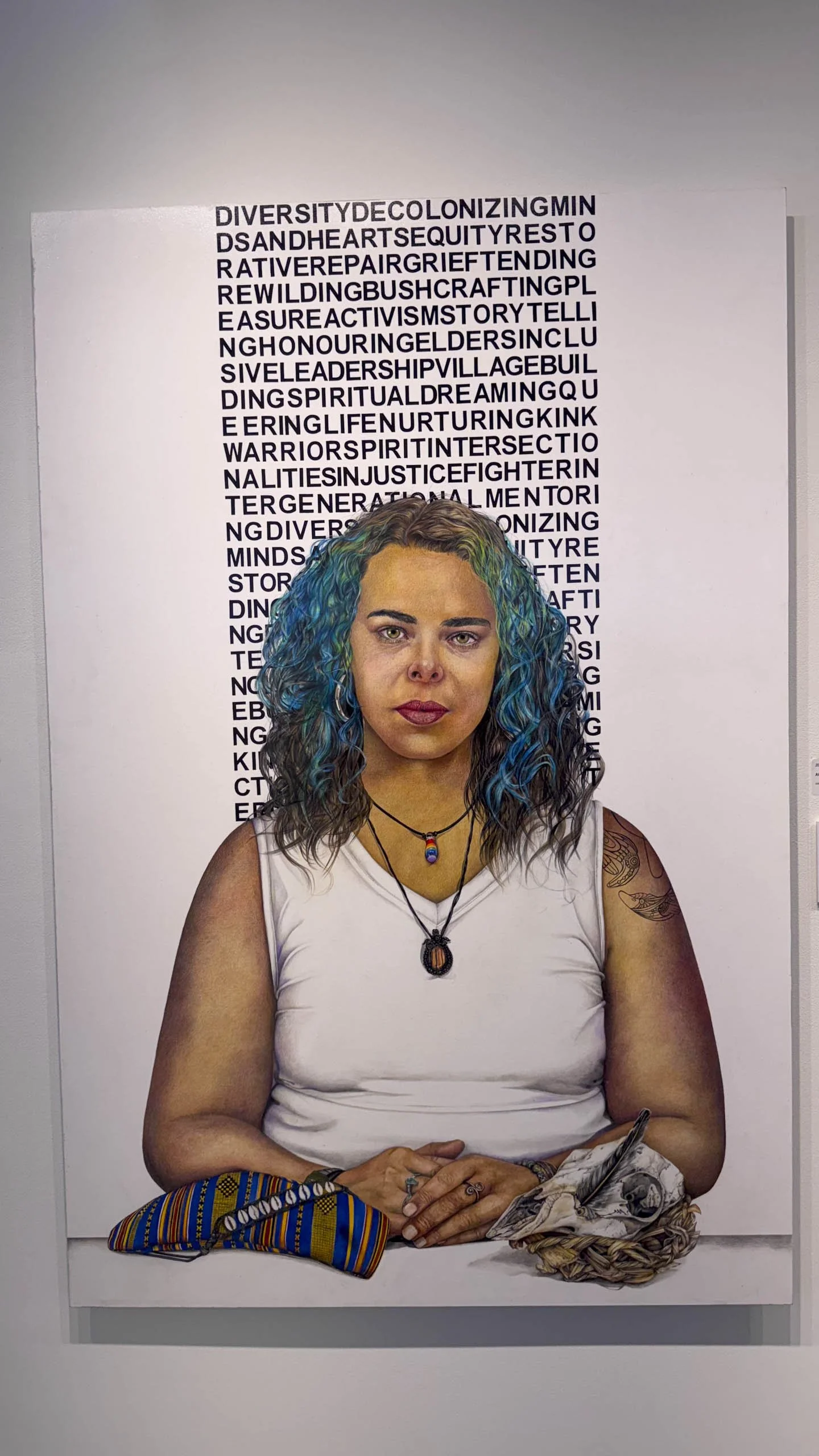
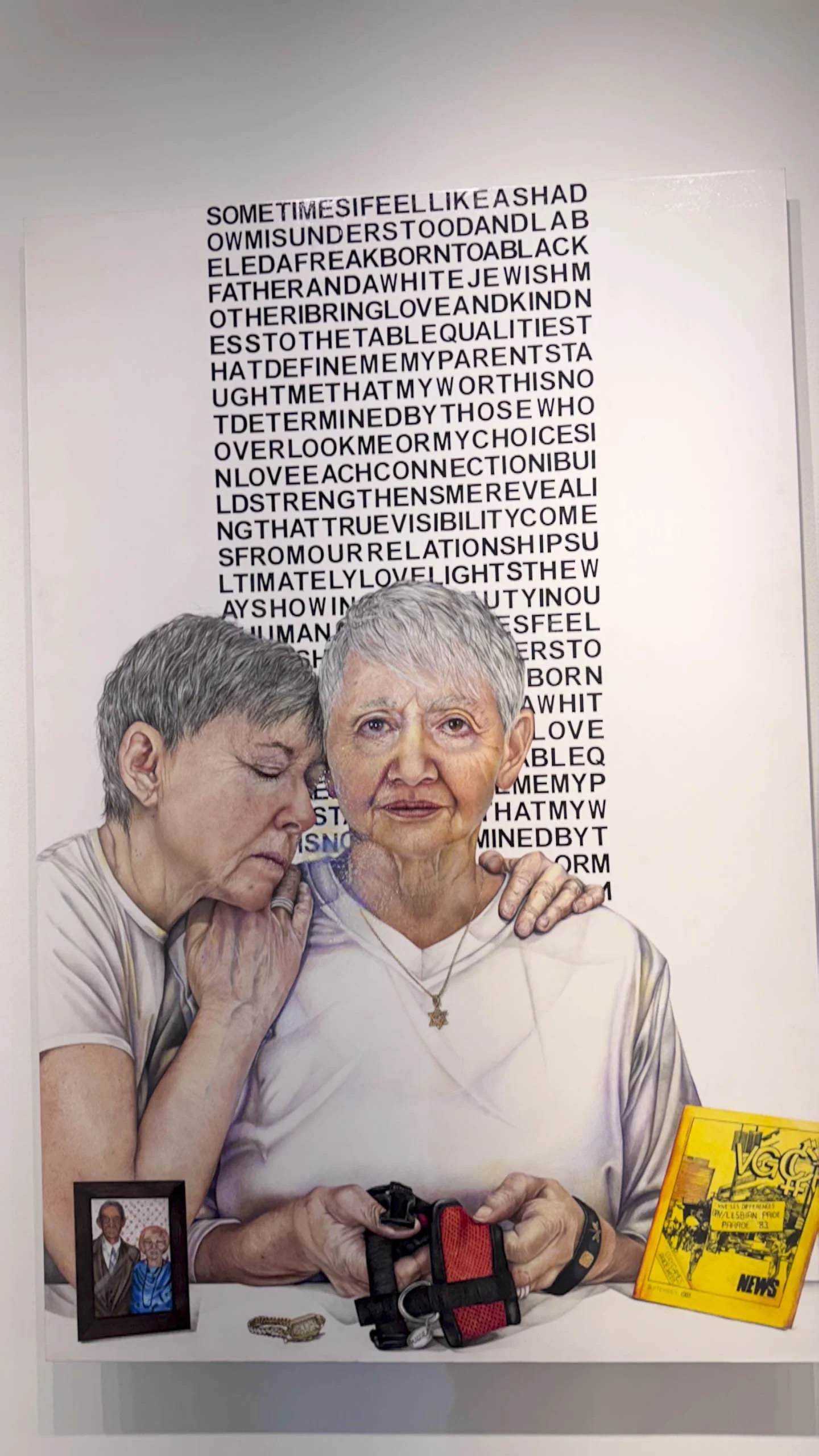
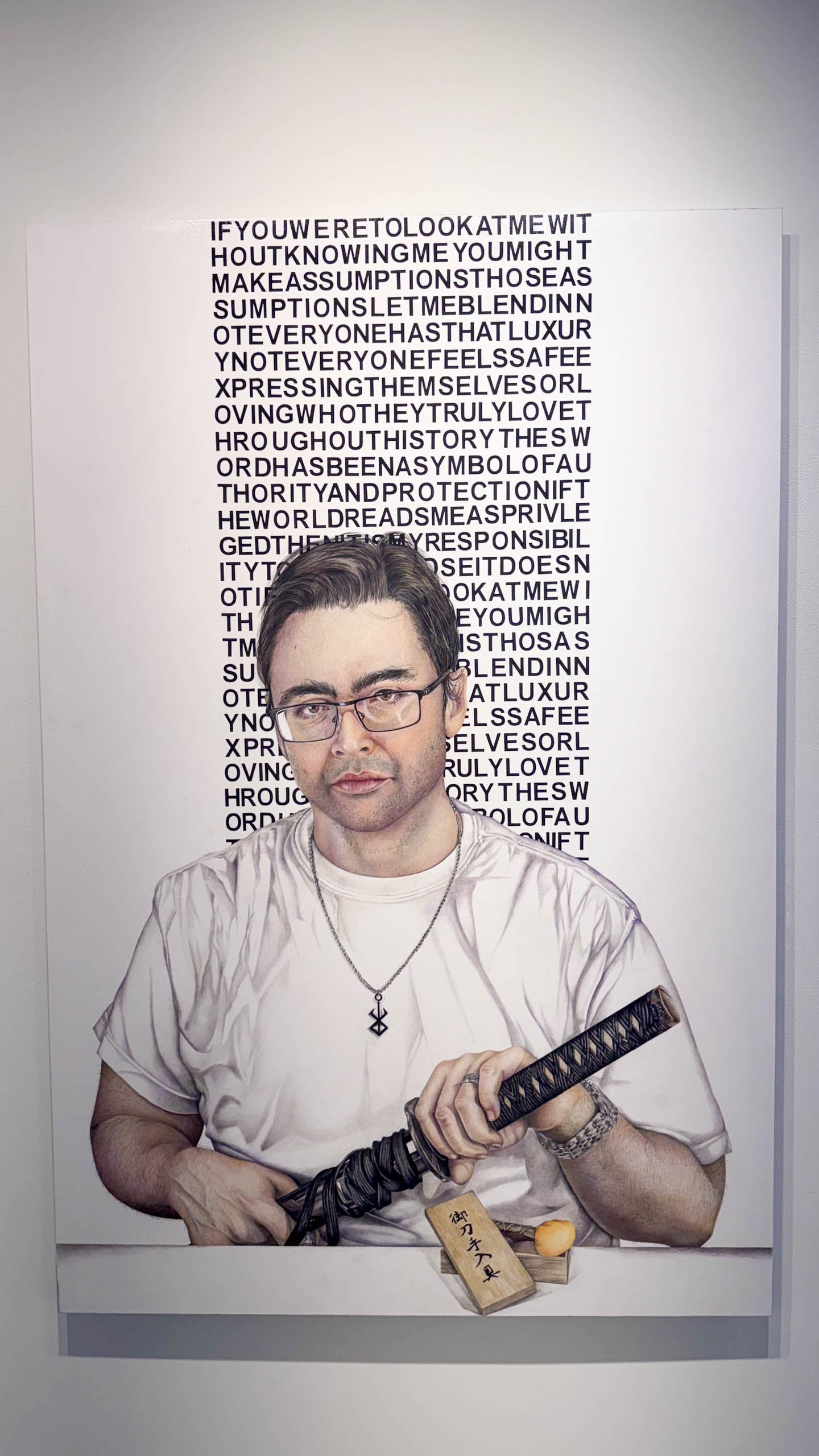
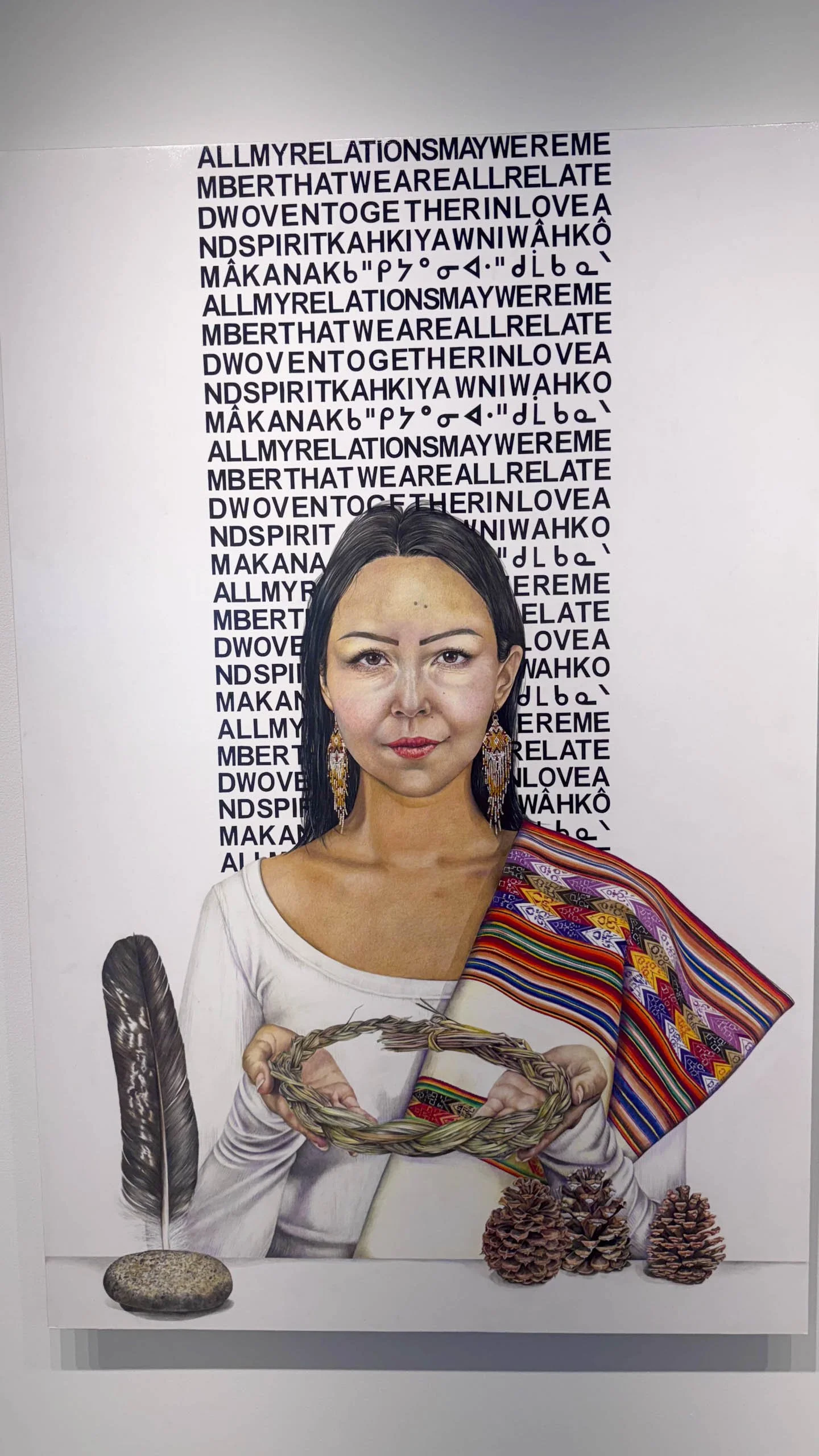
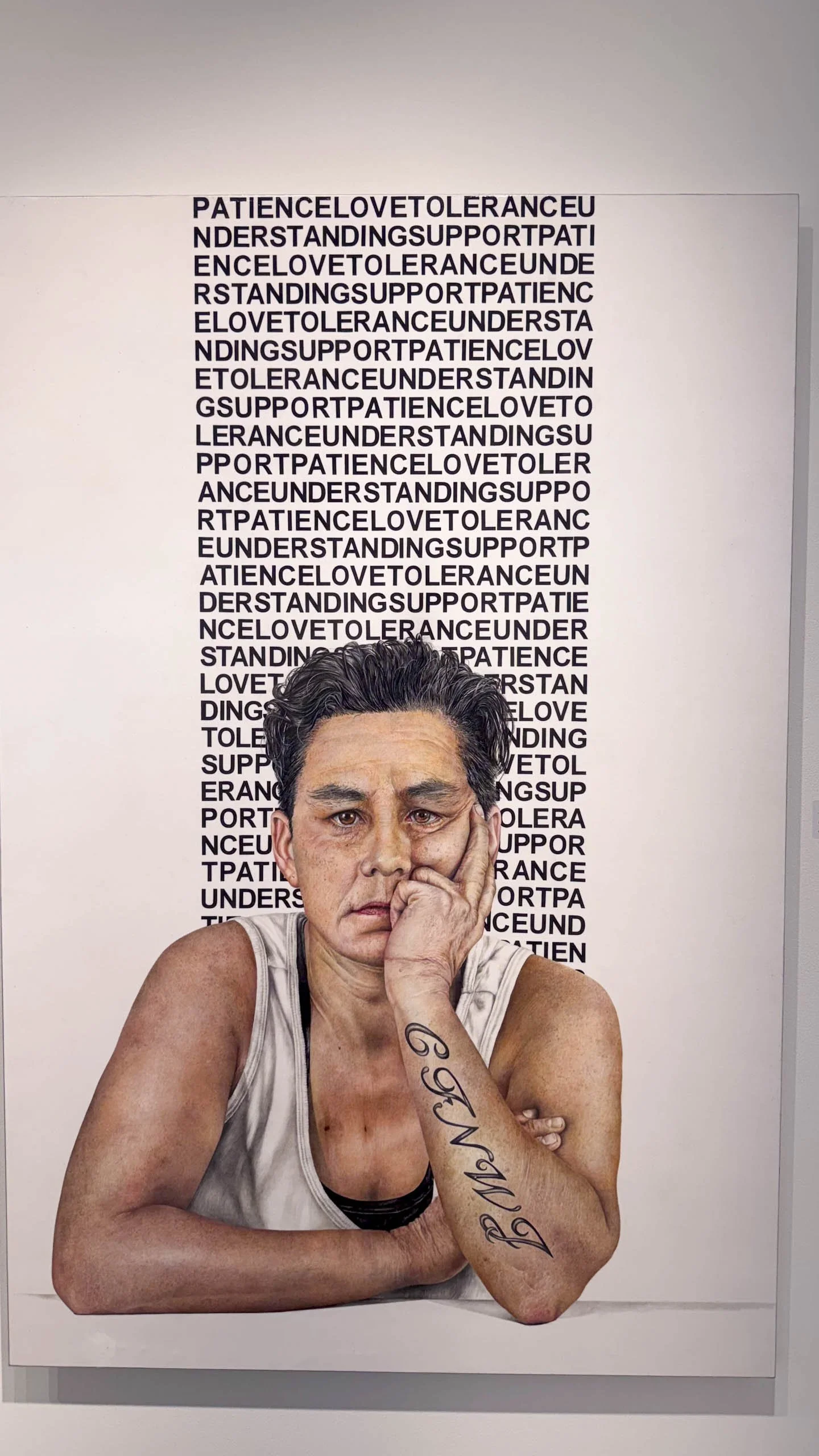
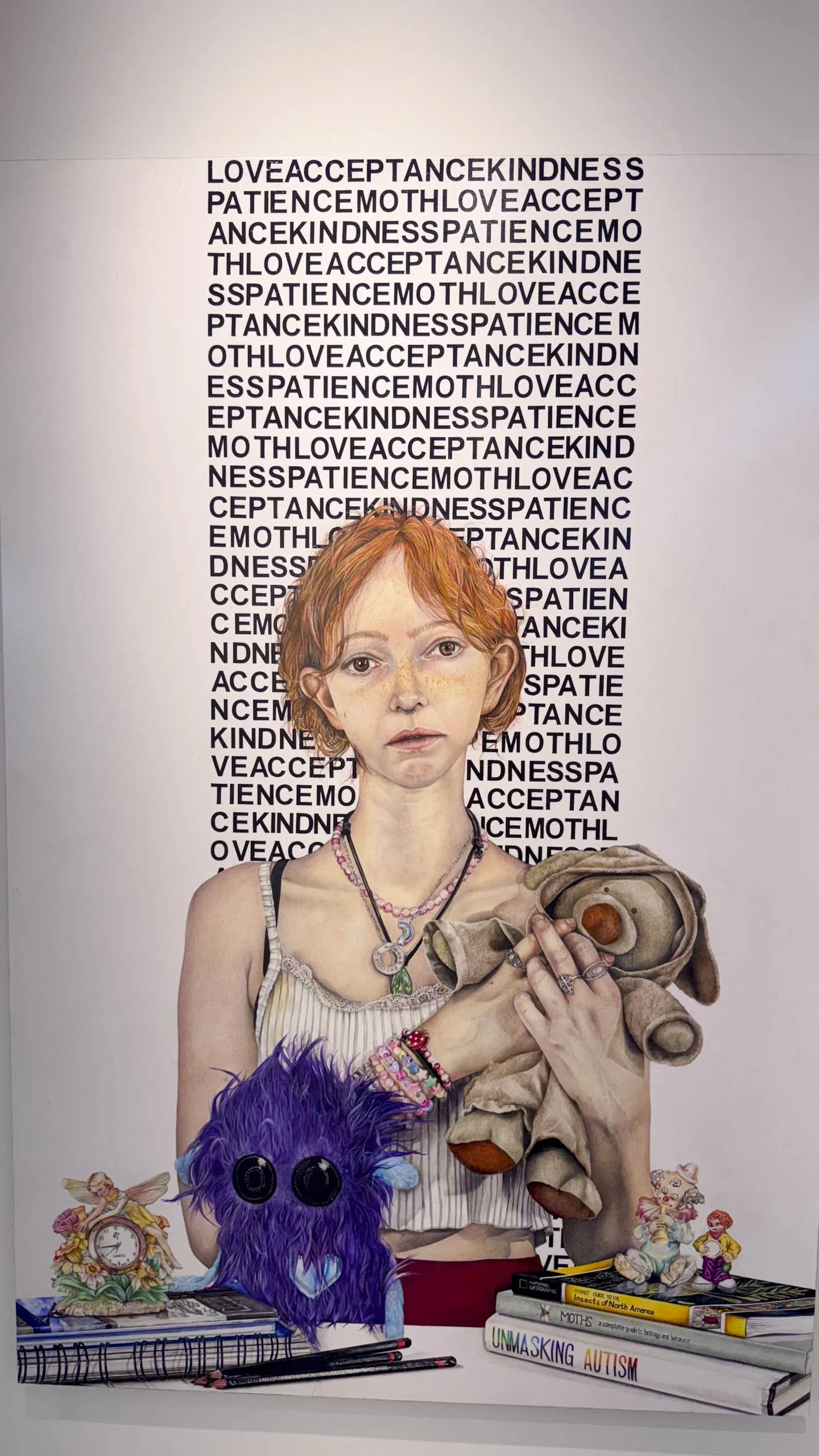
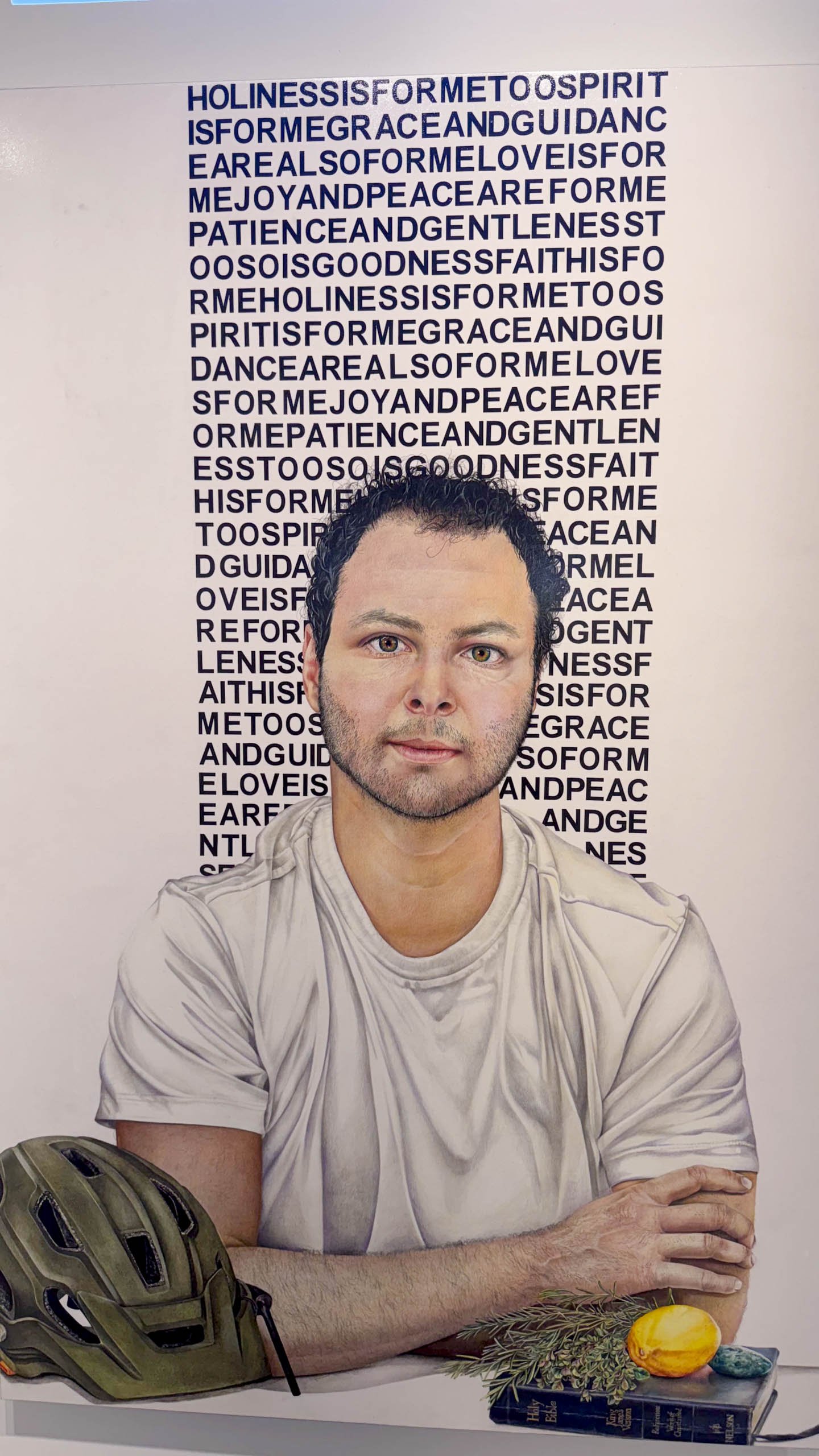
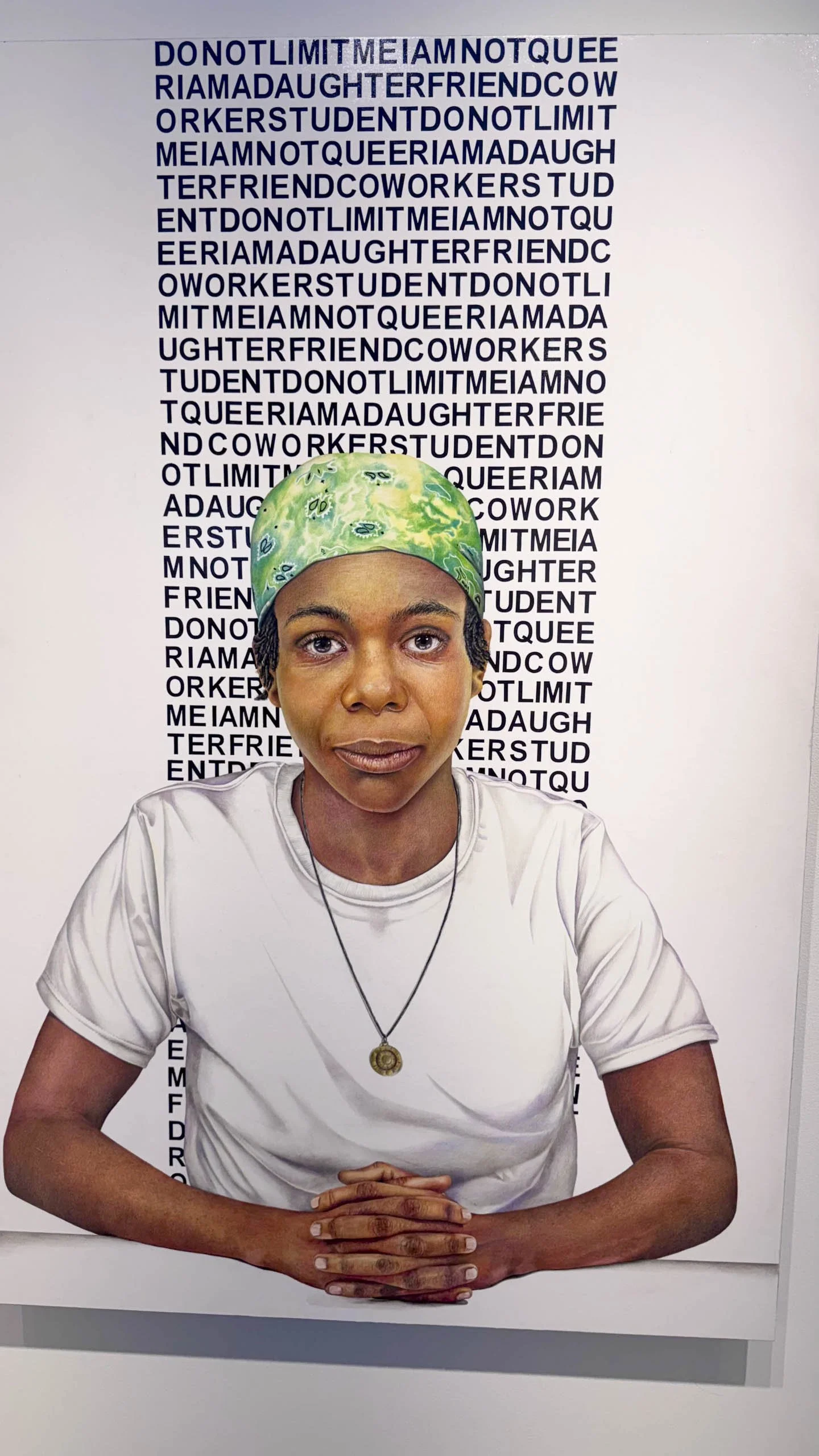
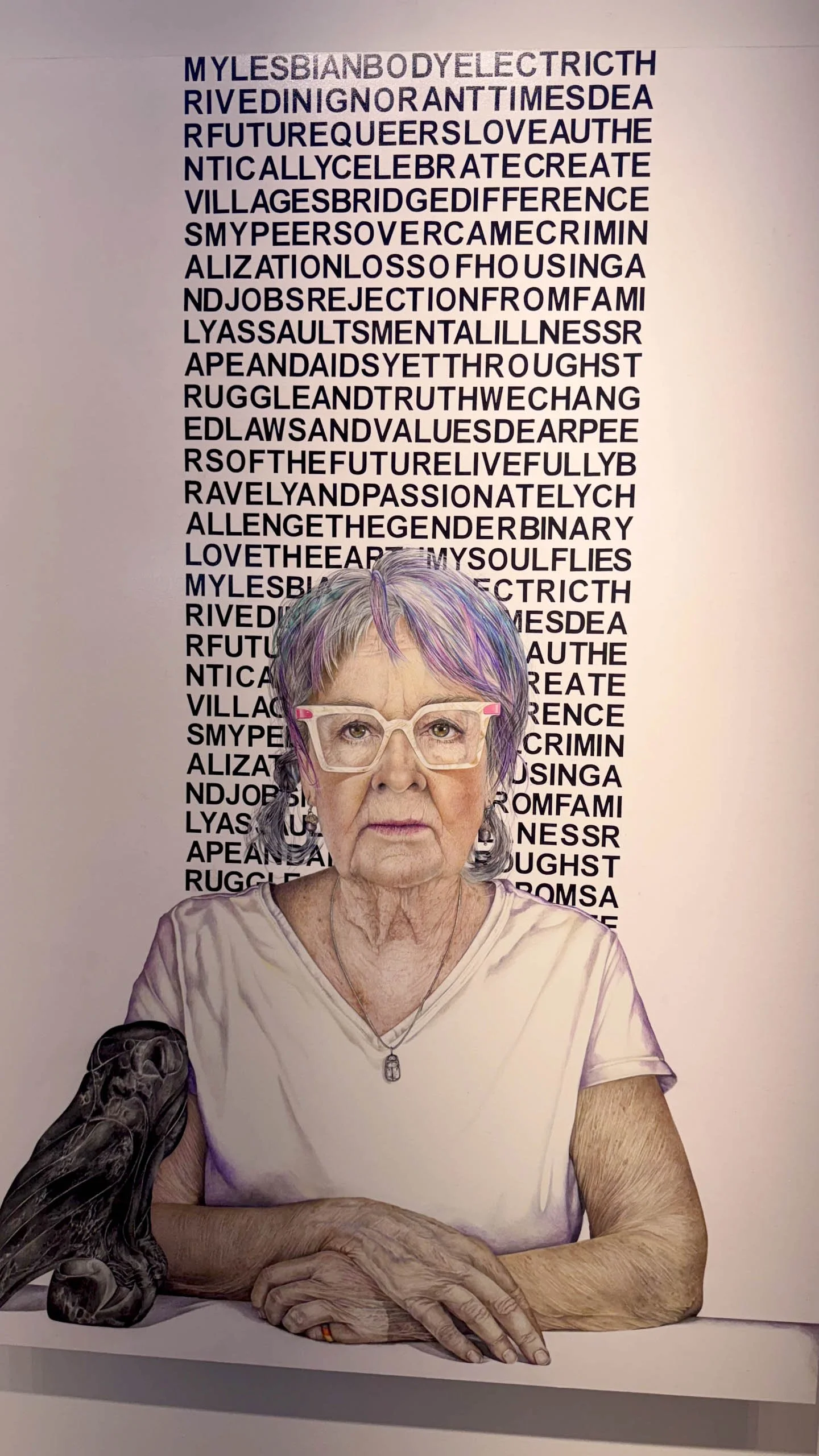
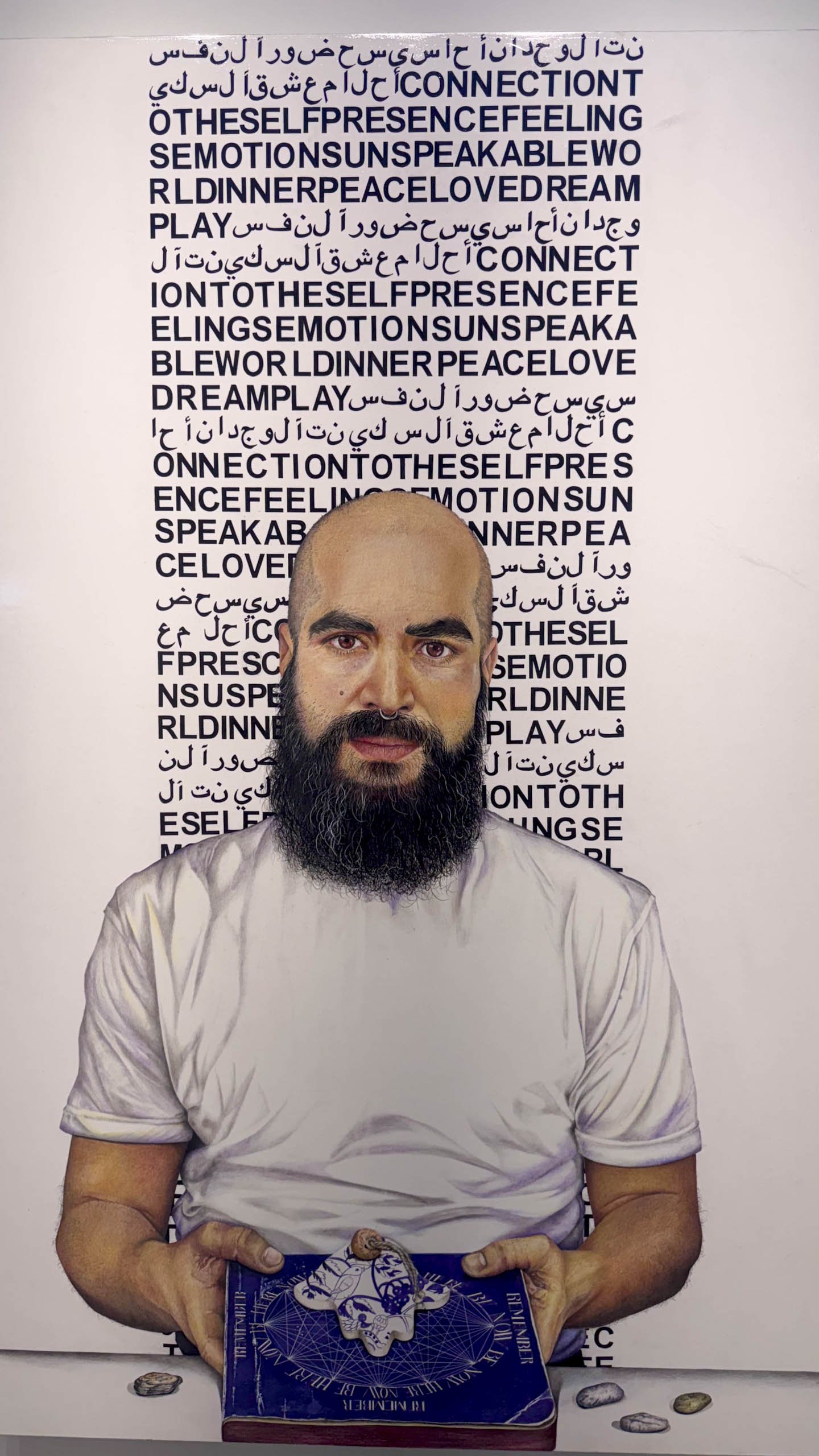
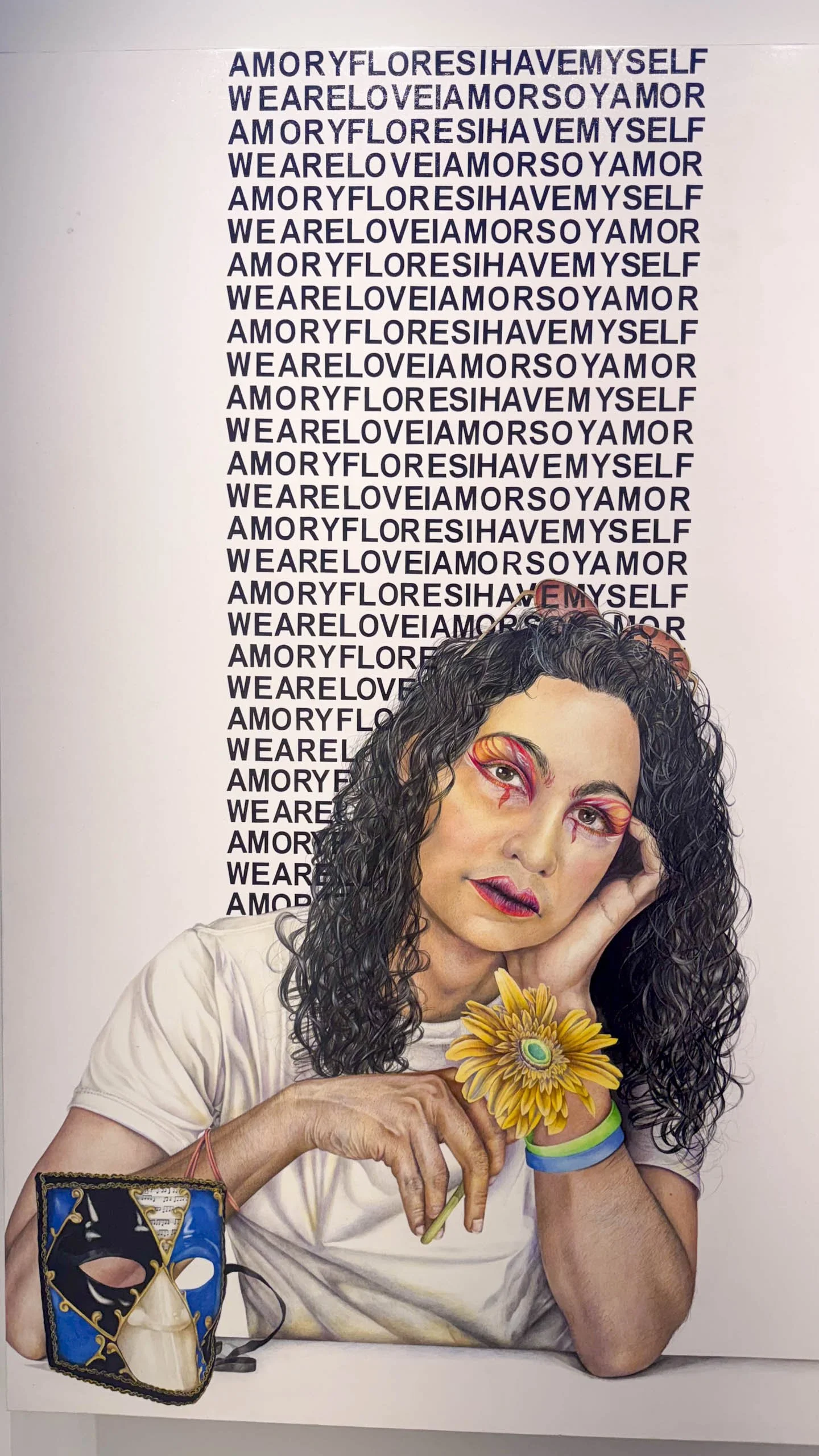
When my wife and I travel, we often search out small art galleries and local music performances and frequently we are reminded how many amazing artists there are living far from the big cities and art hubs. Occasionally, we encounter something that is so beautiful and emotionally powerful that we instantly know the experience will always be with us. That’s how it was at the Gibson Public Gallery on the Sunshine Coast of British Columbia where the Canadian artist Jeannette Sirois had an installation of a large series of portraits. The scale of the works along with the incredible detail made it difficult to believe the medium used was colored pencils.
Even more meaningful than the quality of the art, was the message. It spoke to something so simple and basic, and yet pathetically controversial in in our own United States of America- all people deserve to live their authentic lives and celebrate who they are without fear.
At the Table: The Architecture of Control
Decisions about queer and trans lives have been made in rooms where those most affected have rarely been invited. The authority to determine who is recognized, authorized, or excluded rests with those writing the laws, policies, and documents that govern them.
In legislatures, medical bodies and religious institutions, these systems classify, diagnose, and file human lives through categories that cannot fully register lived experience. This is the architecture of control.
This exhibition is not about visibility. It examines the systems that regulate and define what queer and trans lives, and asks why those systems exist.
Twelve queer and trans people sit for portraits made within the formal tradition historically reserved for those who have held institutional power. They occupy the space of those who have authored the laws, policies, and documents that govern queer and trans bodies.
Each sitter brought objects and wrote the words that surround them. The text fills the surface in dense, unbroken, blocks that are difficult to read. That difficulty is deliberate.